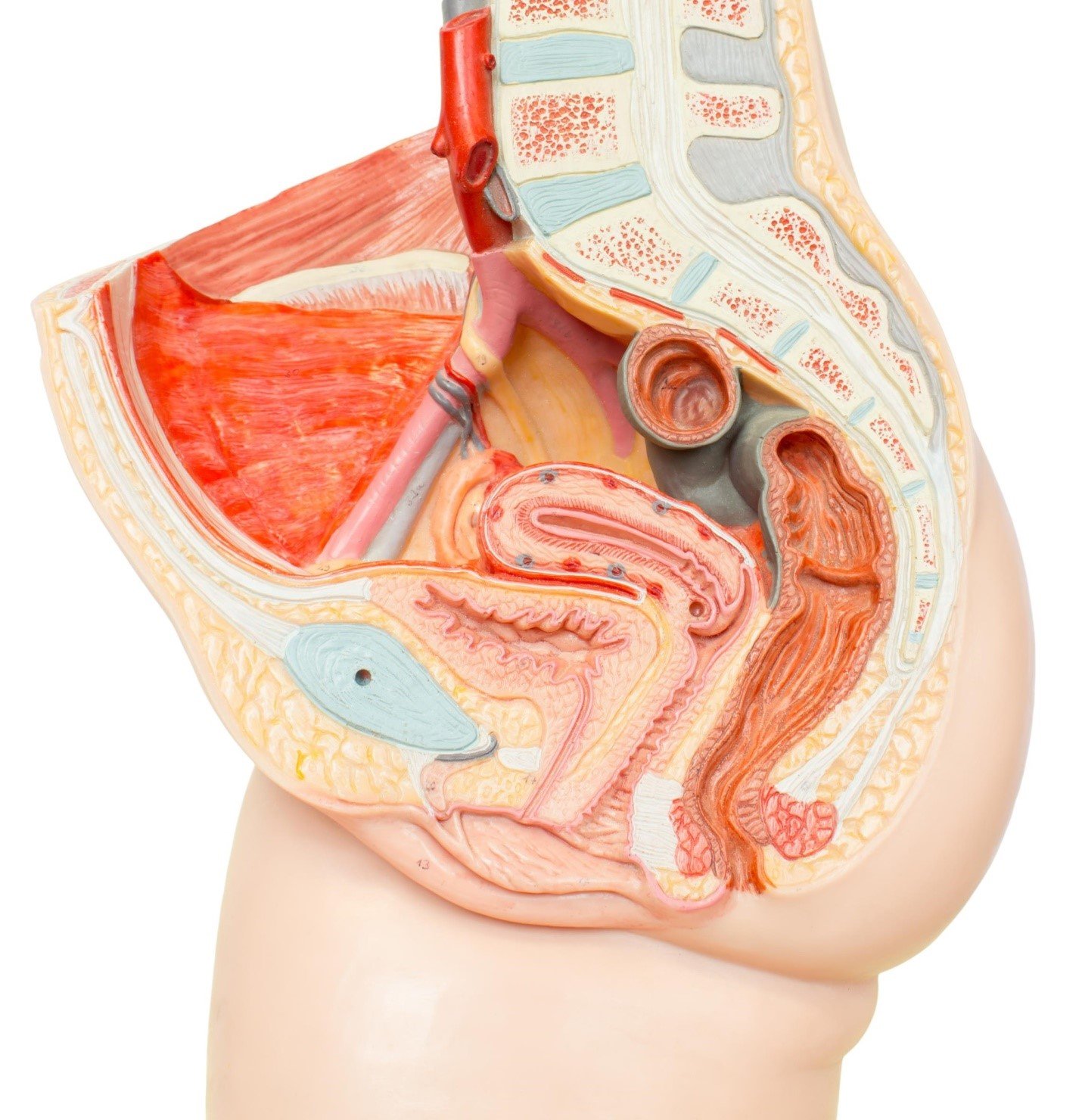
Anatomy Muscles Pelvis - Surgical Anatomy Of The Pelvis And The Anatomy Of Pelvic Support Abdominal Key / It can be described as one of the bodies diaphragms.. The greater pelvis is the space between the two wings of the ilium above the terminal line, while the lesser pelvis is the part of the pelvis below the terminal line. Arcus tendineus levator ani and the ischial spine Muscles an important group of muscles in the pelvis is the pelvic floor. The floor of the pelvis is made up of the muscles of the pelvis, which support its. It takes origin from the inner aspect of pelvis along a line extending from the body of the pubis to the ischial spine.
The muscles that move the lower leg typically originate on the femur and insert into the bones of the knee joint. The semitendinosus, semimembranosus, and biceps femoris muscles comprise the hamstring muscle group. They form a large sheet of skeletal muscle that is thicker in some areas than in others. It takes origin from the inner aspect of pelvis along a line extending from the body of the pubis to the ischial spine. Included within the chart are gorgeous illustrations of the pelvic diaphragm, sphincter muscles, gluteus maximus muscles, and over a dozen more.
Your Pelvic Floor Muscles Yamuna from cdn.shopify.com As well as some basic images of disc pathology and stylised facet joint motion. (2) the levator ani and the coccygeus, which together form the pelvic diaphragm and are associated with the pelvic viscera. Muscles an important group of muscles in the pelvis is the pelvic floor. Enclosing and protecting abdominopelvic and pelvic viscera. The muscles of the pelvis and hip control the vast range of movement of the legs and torso. Arcus tendineus levator ani and the ischial spine The floor of the pelvis is made up of the muscles of the pelvis, which support its. The muscles within the pelvis may be divided into two groups:
The pelvic floor muscles provide foundational support for the intestines and bladder.
The floor of the pelvis is made up of the muscles of the pelvis, which support its. Continence, then pelvic muscle exercises may be effective. Abdominal and pelvic anatomy encompasses the anatomy of all structures of the abdominal and pelvic cavities. Cross the hip joint onto the thigh/leg 3. Muscles that attach from the pelvis to the trunk and cross the lumbosacral joint muscles that attach from the pelvis to the thigh/leg and cross the hip joint pelvic floor muscles that are located wholly within the pelvis Large ligaments, tendons, and muscles around the hip joint hold the bones (ball and socket) in place and keep it from dislocating. The many muscles of the hip provide movement, strength, and stability to the hip joint and the bones of the hip and thigh. Figure 11.29 hip and thigh muscles the large and powerful muscles of the hip that move the femur generally originate on the pelvic girdle and insert into the femur. A proper kegel exercise means a full contraction and relaxation of the pc muscle. The hip muscles encompass many muscles of the hip and thigh whose main function is to act on the thigh at the hip joint and stabilize the pelvis.without them, walking would be impossible. The main function of the pelvic floor muscles are: The iliacus muscle is part of a complex muscle system in the hip area that can function on its own or with other muscles. Use the mouse scroll wheel to move the images up and down alternatively use the tiny arrows (>>) on both side of the image to move the images.>>) on both side of the image to move the images.
Reviews the functional anatomy of the pelvic floor structures, the effects of age on urethral support and the urethral sphincter, and attempts to clarify The pubococcygeus (pc) muscle is the muscle that runs the show in pelvic floor health. It takes origin from the inner aspect of pelvis along a line extending from the body of the pubis to the ischial spine. The muscles of the pelvis and hip control the vast range of movement of the legs and torso. It is composed of three separate paired muscles;
The Muscles That Control The Pelvic Floor Pericoach from www.pericoach.com Enclosing and protecting abdominopelvic and pelvic viscera. Beginning at the pelvis and running posteriorly along the length of the femur, the majority muscles within the hamstring complex cross both the femoroacetabular and tibiofemoral joints. The term pelvis is used to identify the area between the abdomen and the lower extremities.it can be divided into the greater pelvis and the lesser pelvis. The back of the abdomen consists of back muscles as well as the spine. The muscles of the pelvic floor are collectively referred to as the levator ani and coccygeus muscles. The levator ani muscles consist of three. Pelvic floor muscles located wholly within the pelvis Arcus tendineus levator ani and the ischial spine
They form a large sheet of skeletal muscle that is thicker in some areas than in others.
They can be divided into three main groups: The pelvic floor muscles include; The muscles that move the lower leg typically originate on the femur and insert into the bones of the knee joint. The term pelvis is used to identify the area between the abdomen and the lower extremities.it can be divided into the greater pelvis and the lesser pelvis. Figure 11.29 hip and thigh muscles the large and powerful muscles of the hip that move the femur generally originate on the pelvic girdle and insert into the femur. To support the abdominal and pelvic viscera. This anatomy section promotes the use of the terminologia anatomica , the international standard of anatomical nomenclature. The junction where the abdomen ends and the pelvis begins is the lumbar region of the abdomen. It is a broad flat muscle. Included within the chart are gorgeous illustrations of the pelvic diaphragm, sphincter muscles, gluteus maximus muscles, and over a dozen more. Beginning at the pelvis and running posteriorly along the length of the femur, the majority muscles within the hamstring complex cross both the femoroacetabular and tibiofemoral joints. It can be described as one of the bodies diaphragms. See more ideas about anatomy, thoracic, basic image.
The muscles of the pelvis, hip and buttock anatomical chart shows how each muscle in this area of the body works with the others, and the various minor systems within the major ones. Reviews the functional anatomy of the pelvic floor structures, the effects of age on urethral support and the urethral sphincter, and attempts to clarify The junction where the abdomen ends and the pelvis begins is the lumbar region of the abdomen. Included within the chart are gorgeous illustrations of the pelvic diaphragm, sphincter muscles, gluteus maximus muscles, and over a dozen more. The muscles that move the lower leg typically originate on the femur and insert into the bones of the knee joint.
Muscles Of The Pelvis from www.learnmuscles.com The hip muscles encompass many muscles of the hip and thigh whose main function is to act on the thigh at the hip joint and stabilize the pelvis.without them, walking would be impossible. (1) the obturator internus and the piriformis, which are muscles of the lower extremity, and will be described with these (pages 476 and 477); The muscles of the pelvis and hip control the vast range of movement of the legs and torso. Muscles that attach from the pelvis to the trunk and cross the lumbosacral joint muscles that attach from the pelvis to the thigh/leg and cross the hip joint pelvic floor muscles that are located wholly within the pelvis The muscles that move the lower leg typically originate on the femur and insert into the bones of the knee joint. Cross the ls joint onto the trunk 2. Attached to the pelvis are muscles of the buttocks, the lower back, and the thighs. It separates pelvis from the perineum.
The pelvic floor muscles provide foundational support for the intestines and bladder.
The greater pelvis is the space between the two wings of the ilium above the terminal line, while the lesser pelvis is the part of the pelvis below the terminal line. The pelvic floor muscles include; The hip muscles encompass many muscles of the hip and thigh whose main function is to act on the thigh at the hip joint and stabilize the pelvis.without them, walking would be impossible. These muscles have attachments to the pelvis as follows: This anatomy section promotes the use of the terminologia anatomica , the international standard of anatomical nomenclature. Arcus tendineus levator ani and the ischial spine The semitendinosus, semimembranosus, and biceps femoris muscles comprise the hamstring muscle group. The muscles of the pelvic floor are collectively referred to as the levator ani and coccygeus muscles. The right and left hip bones, plus the sacrum and the coccyx, together form the pelvis. These muscles, including the gluteus maximus and the hamstrings, extend the thigh at the hip in support of the body's weight and propulsion. The muscles that move the lower leg typically originate on the femur and insert into the bones of the knee joint. The back of the abdomen consists of back muscles as well as the spine. Pelvic floor muscles located wholly within the pelvis